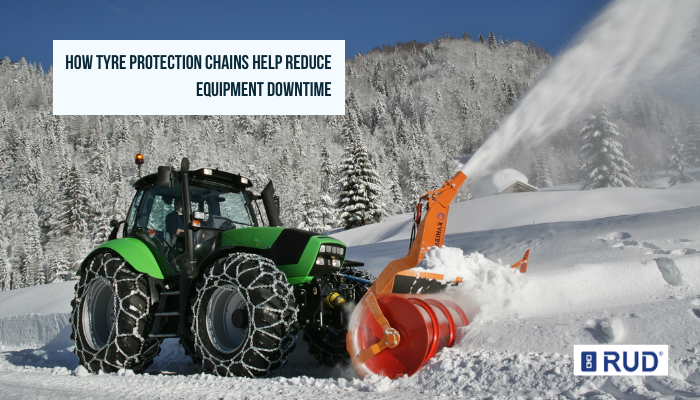
Protection chains for tyres reduce equipment downtime by shielding them from cuts, punctures, and premature wear in harsh operating conditions.
After all, damage is one of the fastest ways to lose production time in Australian mining operations. A single unplanned stoppage can disrupt crews, strain maintenance schedules, and pull support away from where it’s needed most.
Tyre protection chains break that cycle by reducing tyre damage before it leads to costly downtime. www.rud.com.au has supplied and supported chain solutions within mining and quarrying sites nationwide, backed by over 140 years of global expertise in chain technology.
With that in mind, we’ll explain how protection chains work and how the right chain improves both safety and uptime. Keep reading.
What Are Tyre Protection Chains in the Mining Industry?
Tyre protection chains are engineered mesh systems fitted to heavy mining equipment. They wrap around the tread and sidewalls to shield them from cuts, punctures, and abrasive wear. More often than not, they’re the difference between a machine that finishes its shift and one that doesn’t.
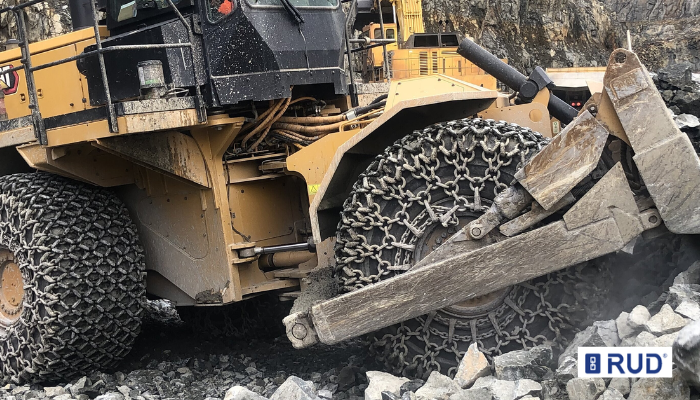
Here’s what each component of a protection chain delivers throughout Australian mines and quarrying sites:
- A Mesh Barrier Around the Tyre: Steel chain mesh covers the tread face and sidewalls of the tyre, and forms a physical shield between the rubber and sharp rock on mine surfaces. The mesh stays flexible enough to conform to the rim as it deforms under load.
- Impact Absorption Before It Reaches the Rubber: The interlinked chain structure spreads force within a wider contact area before it reaches the rubber. That way, individual rock strikes don’t concentrate enough energy to cause a cut or puncture.
- Grip on Wet and Loose Ground: On wet underground ramps and loose haul roads, protection chains provide better grip than bare tyres. That added traction improves stability and reduces the risk of losing control.
- Protection From Heat and Hot Slag: Extreme heat in slag and scrap yards can quickly damage tyres. Protection chains provide a protective barrier that helps extend the lifecycle.
Across the sites we’ve worked with in Queensland and Western Australia, tyre protection chains have protected special equipment in some of the harshest environments. And the presence of a well-matched chain system is typically what separates planned maintenance from emergency repairs.
The Real Price of an Unplanned Tyre Failure
A single tyre failure on a front-line machine stops production straight away. Trucks sit idle, crews stop moving material, and the operation loses output for every hour the machine is down. A stopped loader also bleeds cost, and the challenges that follow a tyre failure compound quickly throughout the whole site system.
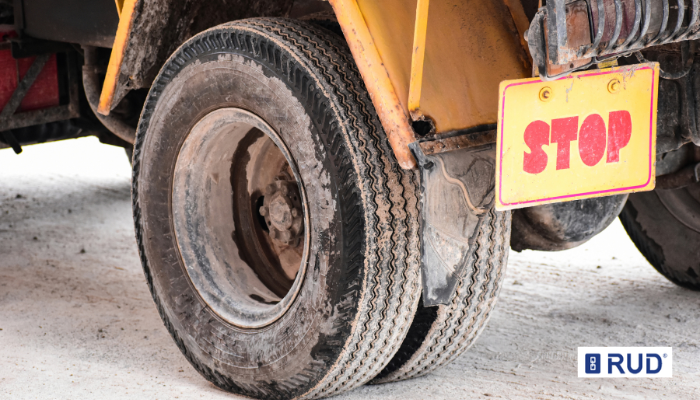
Large OTR (Off-The-Road) tyres can also be difficult to source quickly. And that wait compounds the downtime further and puts pressure on communications between maintenance crews and site managers.
On top of that, tyre-related stoppages pull workers away from scheduled jobs. That creates a secondary efficiency loss which rarely shows up in the initial damage calculation.
Where Do Mining Operations Face the Worst Tyre Damage?
Mining operations face the worst tyre damage in sharp, abrasive, high-impact, and high-heat environments. The environment a machine operates in has a significant impact on how quickly a chain system reaches the end of its service life.
The table below breaks down the main hazards in four industrial environments where protection chains are commonly employed:
| Mining Environment | Common Tyre Hazards | Risk Level | Why Chains Help |
| Underground Mining | Sharp rock walls, wet abrasive muck, tight turns | Very High | Shields sidewalls, improves grip on slippery ramps |
| Open Pit Mining | Blasted haul roads, hard abrasive rock, heavy loads | High | Protects tread from cuts, handles high-hardness rock |
| Quarrying | Uneven ground, mixed rock types, heavy equipment weight | Medium–High | All-round tread and sidewall coverage |
| Slag and Scrap Handling | Hot slag, sharp metal debris, fire risk | High | Heat-resistant chains prevent burnt tyres |
From our observation at mining sites, rock hardness largely determines how quickly damage occurs. On the Mohs scale, harder rocks like granite and quartz wear through tyre rubber far faster than softer materials like limestone.
In general, the most severe damage happens where rough terrain meets hard, abrasive rock. These conditions leave unprotected tyres exposed to cuts, punctures, and sudden failure.
Meanwhile, RUD field trials show that repair downtime has been reduced from around 160 hours per year to just 36 hours after installation. It demonstrates the protection a well-matched chain system provides across mining and construction sites alike.
Fitting Tyre Chains Also Improves Operator Safety
Tyre failures on heavy equipment create serious safety risks for operators on site. Chains keep operators out of trouble on wet ramps and steep open pit grades (a machine that stays in control is a machine that stays productive).
The sections below explain in detail how chains reduce skid risk on site.
Traction, Stability, and the Risk of Machine Skids
Wet underground ramps and steep haul roads are where heavy mining equipment is most likely to lose traction. At speed, a loader or truck that loses grip on a slippery surface puts force on both the machine and the employees operating it.
In that environment, reliability depends entirely on how well the tyres hold contact with the ground, and how effectively the chain system supports traction under load. Chains grip the ground more effectively, and that added traction operates as a direct safety control for miners working heavy mining equipment.
That’s why the integration of a properly fitted chain system is one of the most practical tools available for reducing loss-of-control incidents.
Why Safe Mining Equipment Is Also Productive
Fewer breakdown incidents mean less unplanned crew intervention in hazardous underground areas during a production shift. As a result, mining operations become safer, downtime decreases, and productivity improves. That makes tyre protection chains a priority for many Australian mining sites.
Not to mention, chain-fitted machines give miners more confidence on site, and that confidence supports steadier, more consistent output in shifts.
Moreover, safety regulations across Australian mine sites require operators to maintain reliable equipment. And chains within that full range of applications are one of the most direct ways to meet that standard.
Stop Losing Production to Tyre Damage
Unplanned failures are one of the most avoidable sources of downtime. The right protection chains reduce wear, extend tyre service life, and keep front-line machines running through the shifts that are most important to your operation.
RUD Australia supplies a full range of chains suited to underground mining, open pits, quarrying, and slag handling facilities. Each solution is built for durability in the harshest mining industry conditions. The product range here allows a fit for every machine and site type throughout industries like heavy mining, transport, and beyond.
Head to www.rud.com.au to find the right chain for your equipment. And while you’re there, explore the full library of articles covering maintenance, safety, and tools to help your operation run at full capacity.